
Franchise: A ruthless world
The vast world of franchising presents a dynamic and promising landscape, but one also fraught with pitfalls and challenges. The franchise model, a cornerstone of modern entrepreneurship, continues to evolve, adapting and reinventing itself in the face of an ever-changing business environment. This article delves into this fascinating world, exploring current issues, opportunities for innovation, and winning strategies for bold entrepreneurs.

The clash of the titans: Europe versus the United States
In Europe, the appeal of franchises seems to be waning, a trend that contrasts sharply with the enthusiasm observed in the United States. This divergence is primarily explained by deeply ingrained cultural factors. Indeed, European entrepreneurs are driven by a desire to create, innovate, and leave a personal mark on their businesses, seeking to bring something new and unique to the market. In contrast, the American entrepreneurial spirit leans more towards tried-and-tested models, favoring the replication of successful franchise concepts to guarantee security and profitability.
This approach to franchising, perceived as a ready-made formula, resonates well in the American business climate, where rapid expansion and operational efficiency are key values. Thus, while American entrepreneurs seek to capitalize on existing recipes for success, their European counterparts aspire to introduce originality and innovation into the business landscape, reflecting distinct entrepreneurial philosophies on either side of the Atlantic. In the European market, the appeal lies more with brands boasting a strong identity, focused on a specific sector, a single activity. This specialization makes their adaptation to new markets more complex, but their strong identity effectively attracts customers.
Furthermore, it is worth noting that access to financing for franchises currently appears easier in the United States, offering an additional opportunity for American entrepreneurs to develop their franchise networks with more accessible financial support.
The challenge of transparency and competition
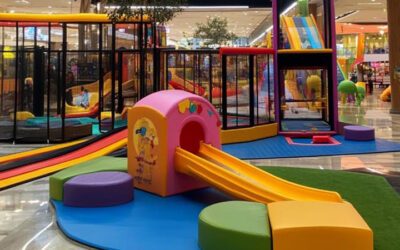
In the dynamic and competitive leisure sector, particularly playgrounds and trampoline parks, transparency and differentiation are major challenges. According to the International Association of Trampoline Parks (IATP), the number of trampoline parks has increased dramatically, from just a few to over 1,900 worldwide in less than a decade. This growth underscores the popularity of the concept while also highlighting the difficulty of standing out and effectively managing these businesses.
Franchises in this field face new challenges when support in communication, training, and purchasing is no longer sufficient according to the franchisee, transforming opportunities into complex challenges.
With the advent of the Internet and communication technologies, it has become significantly easier to access manufacturers directly, which is a definite advantage for independent operators but makes the task even more delicate.
A strong value proposition, supported by an exceptional user experience, ongoing training programs, and optimized purchasing strategies, is crucial to sustaining brand growth. Innovation, through new attractions, enhanced customer experiences, and the adoption of advanced technologies like artificial intelligence to enrich customer experience and internal processes, plays a key role in brand differentiation and appeal. Thus, in a market where innovation and competition are ubiquitous, franchises that adopt a clear value-added strategy and skillfully navigate these challenges are positioned for lasting success.
This change underlines the importance of adaptation and responsiveness in a sector where direct access to resources can alter the dynamics of competition and supply.

Navigating the storm: Innovation and adaptation
In the rapidly evolving leisure sector, the ability to innovate and adapt is paramount for franchises facing fluctuating markets and ever-changing consumer expectations, driven by technological advancements and cultural shifts. Meanwhile, a Deloitte study highlights consumers' quest for authentic and personalized experiences, exemplified by the explosive growth of action games offering enhanced personalization and immersion, as well as the resurgence of educational and nature-based solutions.
Success in this sector therefore depends on the proactive adoption of new technologies, the ability to meet the desires of consumers seeking unique experiences, and the flexibility to overcome crises, marking market leaders by their resilience and preparedness for future challenges.
The Secret to Success: Adapt and Deliver
The secret to success in the competitive world of franchises also lies in the ability to adapt and deliver effectively in a constantly evolving environment.
The range of skills required is immense, from real estate expertise to identify prime locations, to navigating the complex regulatory landscape specific to each country, not to mention the need for adequate financing and rigorous lead qualification. Franchisees are often overwhelmed by hundreds of applications, dedicating considerable time to discerning viable prospects, only to sometimes realize, at the final stage, that the project is incompatible.
This challenge underscores the crucial importance of having readily available and versatile suppliers capable of supporting the rapid pace of expansion and meeting diverse demands. In this context, diversifying production sources becomes an essential strategy to ensure the continuity and efficiency of the supply chain, thereby enabling franchises to remain agile and responsive to market opportunities.
Discover our other articles









I would like to be contacted again
Would you like to be put in touch with a leisure advisor?
Don't wait any longer to share your phone number and area code with us.