
How to make a ropes course profitable?
Making a ropes course isn't solely dependent on peak season visitor numbers. Generating stable and sustainable revenue requires a strategic approach to operations:tailoring your offerings to the right target audiences, optimizing the layout, diversifying revenue streams, and building effective communication strategies. In a competitive sector, maximizing the potential of your infrastructure is essential. Here's how to achieve this in practice.
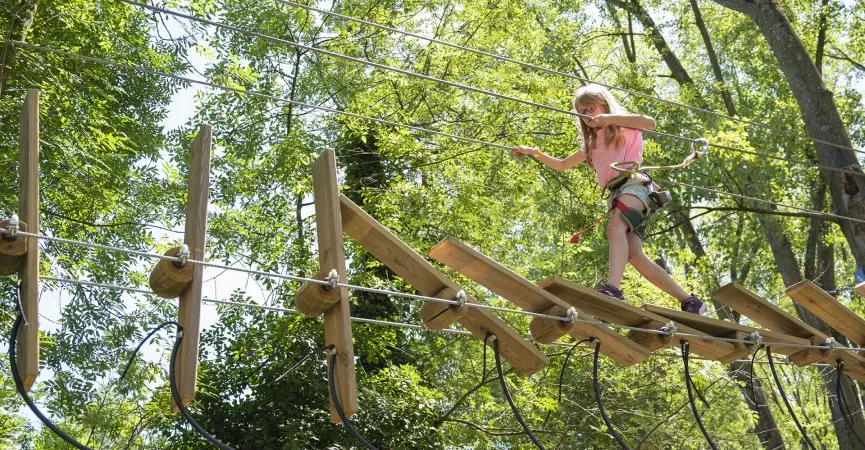
A park for everyone: accessibility as the primary driver of visitor numbers
To attract a wide audience and maximize attendance, it is essential to offer courses adapted to all age groups and skill levels. The parks that will succeed in 2025 are those that appeal to young children, adults who are not very athletic, multigenerational families, and school groups alike. This means designing a balanced offering : simple, low-level courses that are reassuring for beginners; more challenging modules for thrill-seekers; and alternatives to high ropes courses, such as nets accessible without a harness or ground-level activities. Considering accessibility, including for people with reduced mobility, strengthens the park's credibility and opens up new, often overlooked markets.
Extend the opening period to amortize the investments
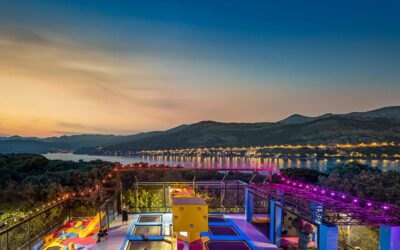
Ropes ropes course are too often perceived as a summer activity. However, with a few adjustments, it's entirely possible to extend the opening season into spring and autumn, or even year-round in some regions. To achieve this, some operators invest in weather-resistant structures or develop immersive nighttime experiences with LED lighting and original theming. Others offer seasonal events such as Halloween courses, Easter egg hunts, or workshops during school holidays. The idea is to even out visitor numbers throughout the year, increase group turnover, and capitalize on periods that are often less crowded with direct competition. This also helps build customer loyalty by giving them multiple opportunities to return throughout the year.
Develop on-site consumption to increase the average spend
Park admission only represents a portion of potential revenue. Making a park profitable also means developing additional revenue streams . One of the most effective levers remains food service : offering simple yet high-quality options, designed for families and groups, can significantly improve profitability per visitor. Adding a shop or a promotional merchandise stand also strengthens brand recognition while generating additional revenue. Souvenir photos, park-branded merchandise, or personalized wristbands fit perfectly into this strategy. In parallel, offering event services , such as birthday parties, bachelor/bachelorette parties, or corporate team-building sessions, increases revenue per group while diversifying the audience.
Controlled visibility: local and digital marketing
A park's profitability also depends on its ability to reach the right audiencesat the right time. A well-thought-out marketing strategy must combine a strong local presence with continuous digital visibility. Locally, partnerships with tourist offices, campsites, and other tourist accommodations remain highly effective. Online, optimizing for local search engines, regularly updating the Google Business Profile, and publishing engaging content on social media help capture attention before a visit. Integrating tools like QR codes can also enhance the user experience while supporting loyalty programs, customer reviews, and promotional offers. Controlled, seasonal, and experience-focused communication helps attract a more consistent flow of qualified visitors.
Diversify the activities offered to increase the time spent on site
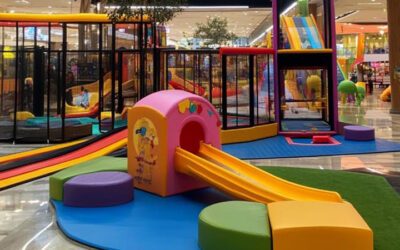
park ropes course is often one that goes beyond justropes course. By diversifying the available activities, parks can extend visit duration, increase on-site spending, and attract a wider audience. Integrating a trampoline net, a climbing wall, a slackline, or even a ground-level play area expands the offering while enhancing the existing structure. Some parks even offer ground-level adventure games, interactive treasure hunts, or balance courses for younger children. This multi-activity approach not only maximizes profitability per square meter but also creates a richer and more memorable experience for visitors. It's also an excellent way to differentiate oneself in a competitive market.
Sustainable profitability relies on a comprehensive vision of the project
Making a ropes course relies on a balance between quality of experience, diversity of offerings, efficient flow management, and a well-structured business model. This requires choices to be made right from the project's inception: designing the layout to be adaptable, selecting modules suited to future needs, integrating complementary activities, and building a sustainable business model. These are elements that can be considered from the outset thanks to customized or turnkey solutions that encompass all stages, from site selection toinsurance and customer loyalty strategies.
See all our articles





I would like to be contacted again
Would you like to be put in touch with a leisure advisor?
Don't wait any longer to complete the form.