
The importance of a comprehensive market study
A thorough market study is a fundamental step for any business project, serving as a compass to navigate the complexities of the market and maximize the chances of success. This article aims to guide you through the various essential components of a market study, demonstrating how each element contributes to a comprehensive understanding of your business environment. By detailing the necessary information and its strategic importance, we aim to provide you with the tools to accurately assess the commercial potential of your project, meet investor requirements, and lay the foundation for a thriving business.

1. Study Context
1.1 Subject of the study
When a client is considering setting up a business or acquiring a new property, understanding the context is crucial. A market study must begin by defining the subject, including the type of opportunity, the client's concept, and the size of the establishment. Even secondary information is necessary, such as opening days or the actual opening date. This contextualization grounds the study in the specific reality of the project and guides subsequent analyses.
It is also essential to clarify who is involved in the study. This includes the contact details of the client, the research manager, and the project manager within the company. Clear communication between these parties ensures efficient data collection and shared responsibility.
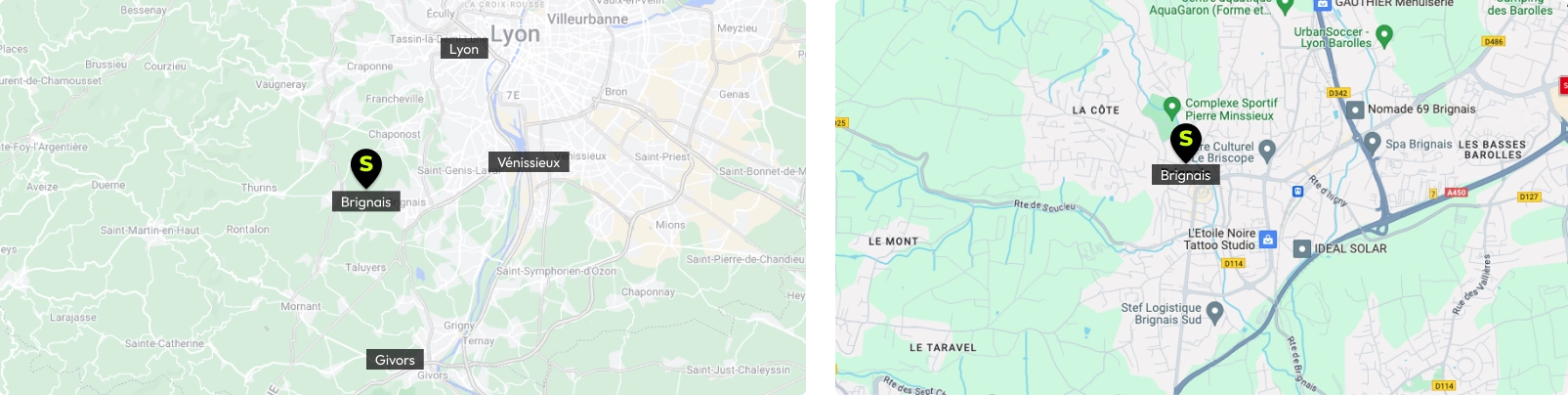
Throughout your report, it is essential to illustrate your research with maps, photographs, tables, graphs, or other visual elements. This step is necessary because it allows your audience to grasp the information much more quickly than with simple text. Therefore, a geographical representation at various scales (department, city, and village) should be included from the outset of the study. It provides a visual representation of the location and its immediate surroundings, thus facilitating spatial understanding for all stakeholders.
1.2 The targeted location
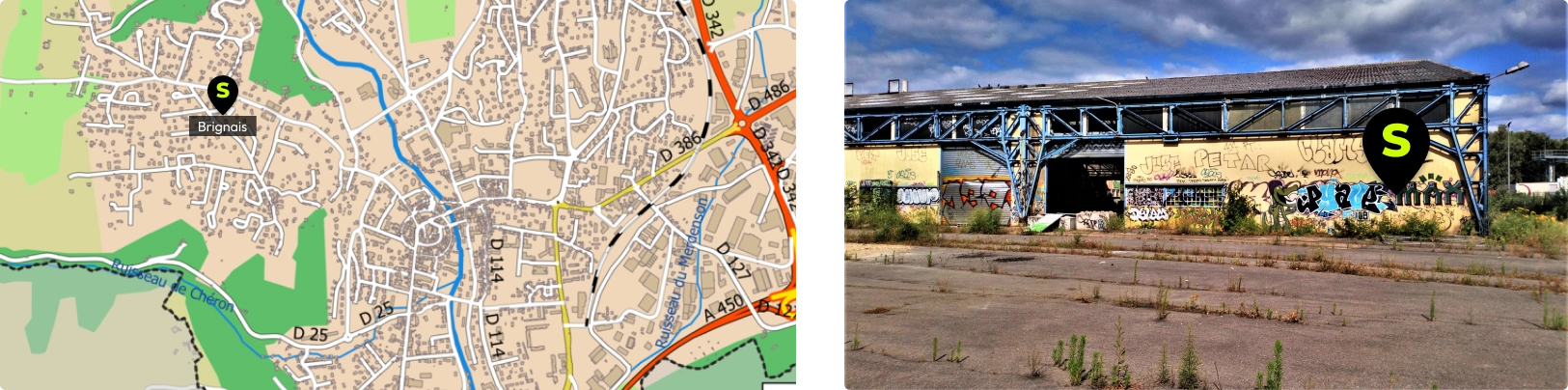
Photographs of the building before installation and a satellite image of the surrounding area provide a concrete basis for discussing the location's commercial potential. These visual elements are essential for addressing the challenge of assessing the location's commercial potential. The information provided and our recommendation will help achieve four objectives:
- Assess the dynamism of the area,
- Define a catchment area in terms of the number of inhabitants,
- To measure the suitability of the point of sale for the target clientele of the brand,
- Estimate the achievable revenue (turnover) in the catchment area.
1.3 Environment, accessibility and visibility
The site analysis must consider the geographic context, accessibility, and visibility. Existing infrastructure and future developments that could improve or hinder site access must be assessed. The area's economic and commercial dynamics indicate the project's growth potential. Mobility considerations allow for an examination of transportation and accessibility options for residents and visitors, including bus services and parking facilities. Strategic planning advises on measures to maximize the project's impact, such as signage at key locations.
You can illustrate this section with photos based on the different visibility axes of the premises and the main road axes around the establishment.
1.4 Trade area
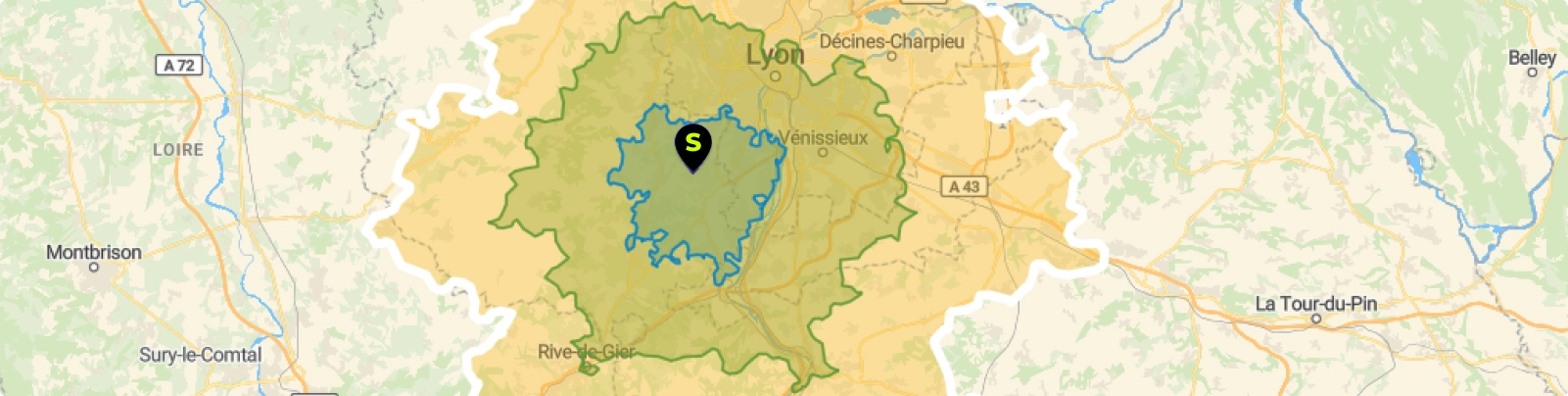
Clearly defining the catchment area (representing the geographical area of influence) is crucial for understanding where the primary customer base will come from. This helps adapt business strategies and estimate the potential market in terms of population size. Segmenting this area into primary, secondary, and tertiary zones helps to effectively target marketing efforts. These different zones can be distinguished as follows:
- The primary zone corresponds to an average site access time of 15 minutes
- The secondary area corresponds to an access time of approximately 30 minutes by car
- The tertiary zone represents an access time of approximately 45 minutes by car, redesigned to match the commercial framework.
2. Sociodemographic and Economic Data
2.1 Population
When evaluating a potential site for a leisure park, understanding the demographic makeup of the region is essential. A description of the municipality and surrounding area should include not only the total population but also a breakdown by nearby town and major urban centers, indicating travel time to reach them. It is crucial to document the precise number of residents and households, including projections for future urban developments likely to increase the population. The analysis should also include the predominant age groups and average socioeconomic categories to allow for a more precise tailoring of the park's offerings and services.
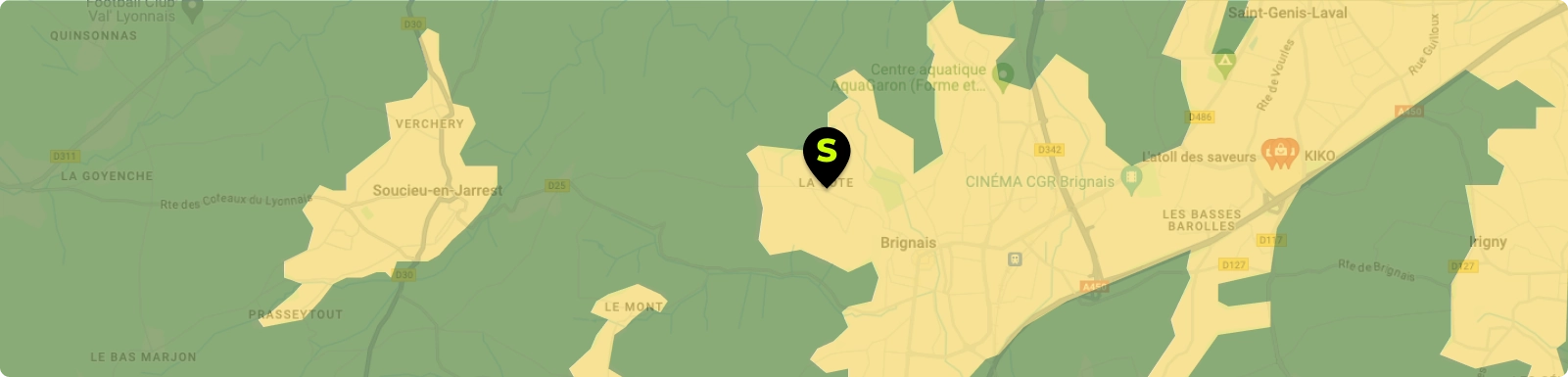
You can illustrate this section by using the previous catchment area map, this time in a heat zone, indicating the population density per area. A table accompanies the map, showing the number of people or households over different years in relation to the targeted areas, the total area, the region, and metropolitan France.
2.2 Population distribution by age
A detailed analysis of the age distribution is necessary to tailor activities and promotions to key demographic groups. It is helpful to reproduce tables comparing primary, secondary, and tertiary sectors to the region and metropolitan France, showing the total population for defined age segments (0-14 years, 15-29 years, etc.), both in absolute numbers and as percentages. This analysis helps identify target age groups for specific activities or marketing campaigns.
2.3 Families
Studying family structures within the catchment area allows for targeted promotions and services tailored to families with children, couples, or single-parent households. A detailed analysis should include a table showing the distribution of family types (with or without children, number of children, etc.) and a pie chart illustrating this distribution, which helps in planning specific events and offers.
2.4 The distribution of socio-professional categories
Socio-professional categories can greatly influence the type and price of services offered. Tables describing the distribution of different professional categories (craftsmen, managers, employees, etc.) in the analyzed areas allow for adjusting the supply to match customer spending capacity and interests.
2.5 Median income
Understanding the median income per consumption unit in the catchment area is crucial for setting price levels and service offerings. A comparative table of these incomes, along with a comparison index with the national average and the percentage of households in the higher socioeconomic categories (CSP+), allows for the effective targeting of pricing and marketing strategies.
2.6 Employees
A heat map analyzing employee density and a description of major employers provides insights into customer potential during working hours. Supplementing this analysis with a table showing the number of employees and the ratio per 100 inhabitants helps assess the potential for visits during weekdays, particularly for after-work leisure activities.
2.7 The motorization rate
Assessing car ownership rates can influence decisions regarding parking facilities and site access options. A table showing the percentage of households with vehicles in the catchment areas provides a clear indication of the infrastructure and transportation service needs for site access.
2.8 Typology of IRIS
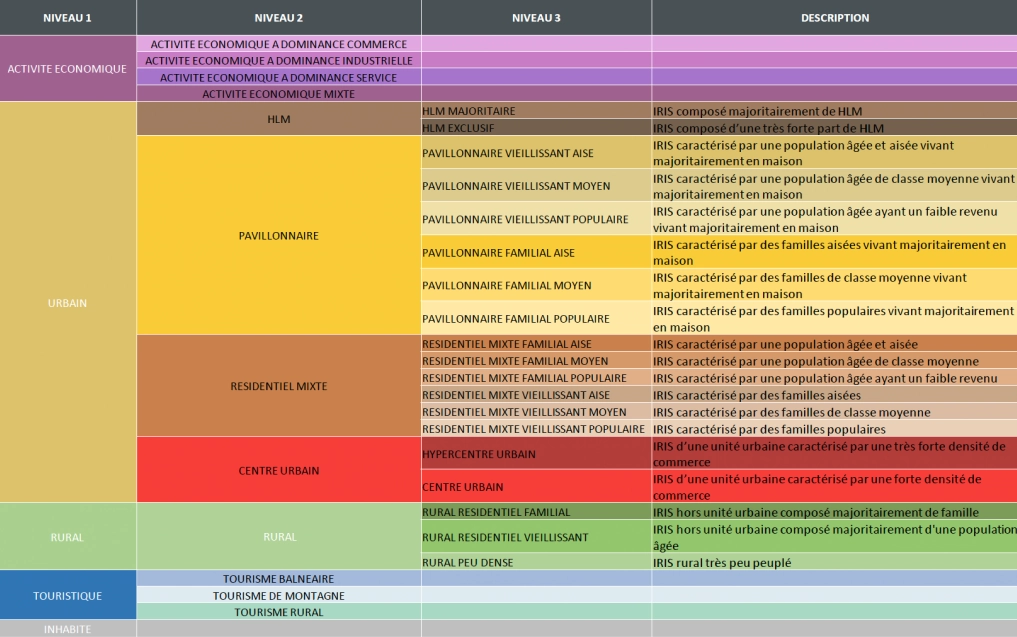
This section should analyze in depth the population typologies according to IRIS (each IRIS constitutes a "micro-neighborhood," composed of a set of contiguous and homogeneous blocks, grouping 2,000 inhabitants or more) to better understand the micro-markets within the catchment area. Detailed maps and descriptions of the dominant population segments (e.g., mixed residential, single-family homes) help to personalize the marketing approach and product development.
3. Urban Dynamics
3.1 Schools
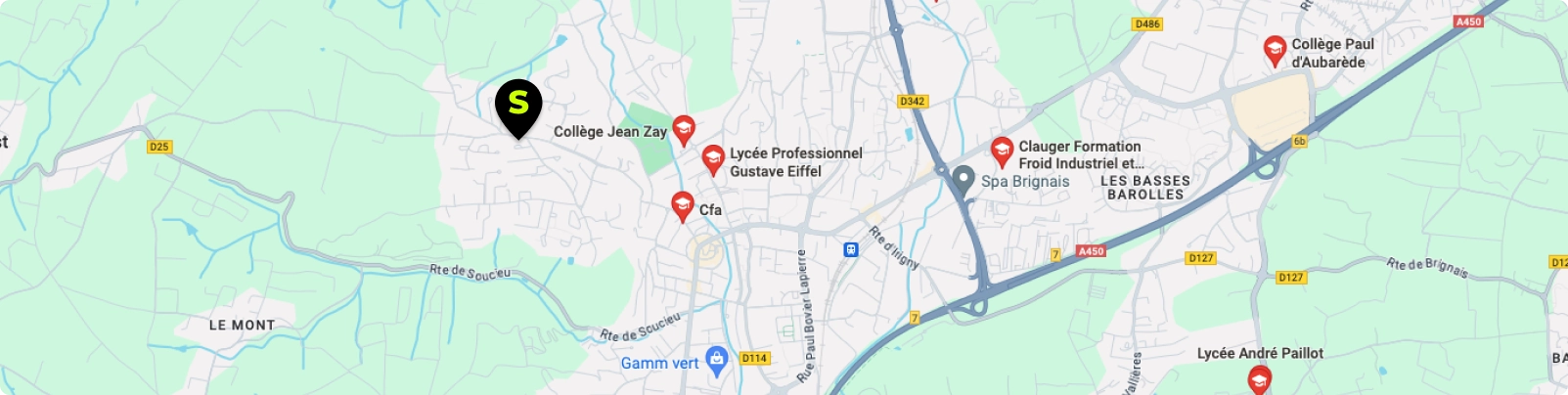
Analyzing the proximity of schools to a leisure site provides direct insight into its potential attendance by young people and families. The presence of primary schools, middle schools, high schools, and higher education institutions within a reasonable distance can significantly increase daily attendance, particularly after school hours.
It is important to map these establishments and calculate the average travel time on foot or by public transport to assess their potential impact. Furthermore, this data helps develop strategic partnerships with the establishments for special events, promotions, or after-school programs.
3.2 Retail spaces
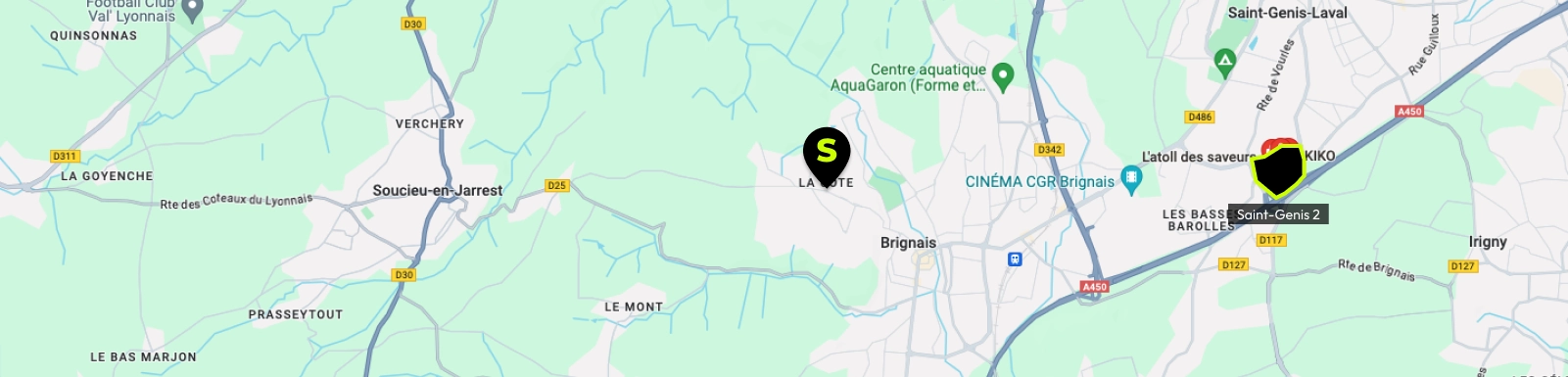
Nearby shopping areas play a key role in attracting visitors. By identifying major shopping centers, independent boutiques, and local markets, the flow of potential customers can be assessed. Detailed maps of these areas should include the types of businesses present, their total retail space, and peak traffic times. This analysis helps not only to forecast visitor volume but also to determine the optimal opening hours for the amusement park. Furthermore, it allows the park's promotional offers to be aligned with periods of high traffic in the shopping areas.
3.3 Employment hubs
Nearby employment hubs represent a significant source of customers, particularly for leisure activities targeting adults. Maps should indicate the location of major employers, the number of employees, and their sectors of activity. This information allows for the development of targeted offers such as team-building packages, discounts for after-work events, or special events for professionals. Furthermore, understanding commuting patterns can help optimize marketing campaigns and strategically place signage to maximize visibility to employees in transit.
4. Competition, a space for leisure
4.1 Direct and indirect competitors
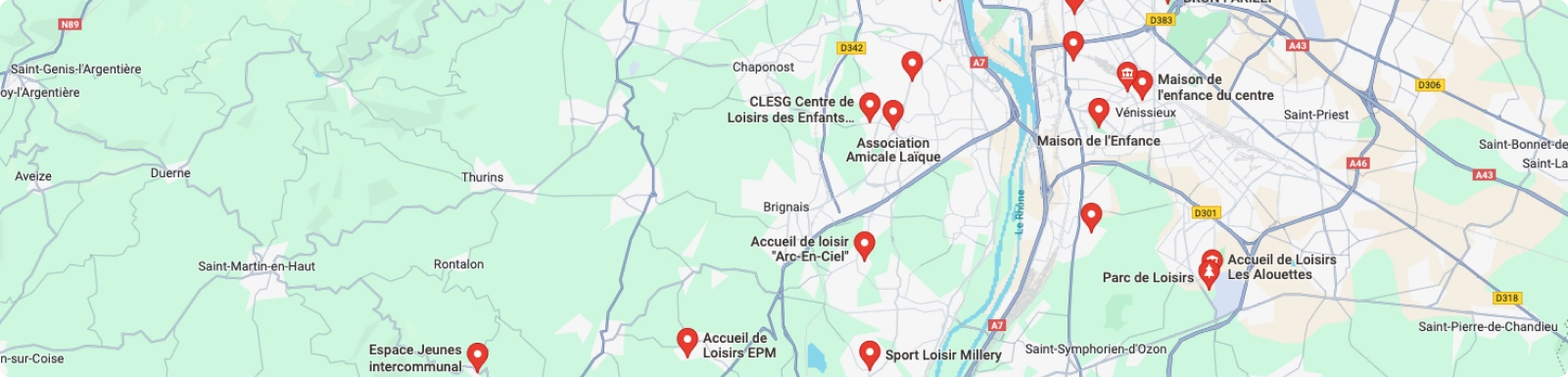
It is essential to understand both direct competitors (offering similar services) and indirect competitors (other forms of leisure that are not similar but compete for consumers' time and money). A detailed map of their locations helps to visualize the competitive landscape and identify saturated areas or underserved market niches.
4.2 Main competitors
Documenting key competitors with accurate information on their size, services offered, pricing, opening hours and customer traffic helps to assess their performance in the market and to identify best practices and gaps in the current offering.
We advise you to present your documentation in the form of a map to represent each competitor, trying to define as many criteria as possible.
Ideally, your card should contain this information:
- The name
- The address
- The activity
- The price
- The rating and number of reviews
- Revenue
- Opening hours and visitor numbers
- The surface area of the establishment
- A brief description of their activities

4.3 Turnover figures for the sector
Analyzing the revenue figures published by companies in the same sector provides valuable insight into market potential and saturation. This economic data is essential for developing realistic financial forecasts for the new site.
5. Summary and recommendations
5.1 Attractiveness Assessment
A synthesis of environmental, demographic, and competitive factors provides a comprehensive view of the site's attractiveness. This overall assessment helps refine marketing and development strategies to maximize the project's commercial impact.
5.2 Survey Results
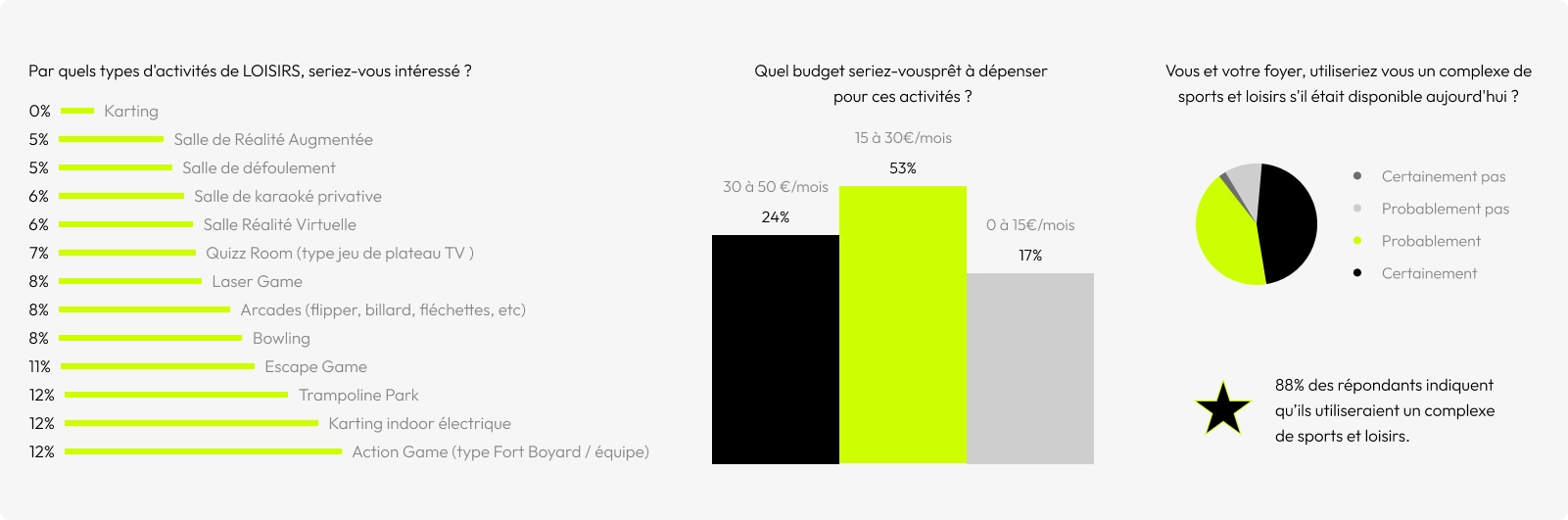
Surveys conducted among local residents can reveal valuable insights into the preferences and behaviors of potential consumers, thus guiding decisions in terms of service offering and communication.
To conduct this survey, you can ask a series of questions, for example:
- Would you and your household use a [your business] complex in [your geographic area] if it were available today?
- What types of activities in [your industry] would you be interested in?
- What types of activities in [your secondary business sector] would you be interested in?
- How many kilometers would you be willing to travel to enjoy [your activity]?
- How often do you plan to use these activities?
- What budget would you be willing to spend on these activities?
5.3 Theoretical market and potential for activity
Combining the collected data allows for a realistic estimation of potential revenue and the identification of key business drivers for the proposed site. A methodical approach to breaking down the target market and projected capture rates clarifies the objectives to be achieved.
To estimate the potential revenue of a project, we rely on a set of factors impacting the potential level of activity:
Restructuring of the leisure market in the location area (allowing for estimation of a capture rate per establishment and an average number of sessions per day)
- Identification of actors and classification by typology
- Average price
- Revenue
- Opening day
- Available space
Estimated capture rate of the project (allowing estimation of the project's footprint)
- The target's frame
- The inherent commercial potential of the targeted location (attractiveness, visibility, traffic flow, surrounding environment, accessibility, etc.)
- Analysis of the competitive offering, both at the metropolitan and regional levels, including, among other things, the level of revenue achieved by competitors, when the information was available
- The socio-demographic structure of the defined catchment area
- Definition of the concept: Source (to be defined), Area (to be defined), Supply (to be defined)
6. Appendices
6.1 The leisure market
To complete the market research, it is beneficial to provide a general overview of the leisure market. This includes analyzing consumer trends, customer segment preferences, price developments, and the average household budget allocated to these activities. A detailed analysis helps to strategically position the website within the broader national market context, identifying sector-specific opportunities and challenges.
6.2 Typology of IRIS
The IRIS (Ilots Regroupés pour l'Information Statistique - Grouped Areas for Statistical Information) typology allows for the breakdown of demographic and economic data at a highly localized level. Understanding this distribution helps to precisely target marketing initiatives and services according to the specific characteristics of each area. A detailed table of this typology, combined with maps, offers valuable insights for the development and targeted promotion of business.
Conclusion
In conclusion, conducting thorough market research is an essential step that lays the groundwork for the commercial success of any project. It allows you to gain an in-depth understanding of your target market, identify challenges and opportunities, and develop effective strategies to meet your customers' needs while remaining competitive.
A well-executed market study provides a clear vision that guides investment decisions and marketing initiatives, ensuring a sound and measured approach to launching and developing your business.
With this strategic tool, you can better anticipate market trends, adapt your offerings accordingly, and increase your chances of long-term success.
Discover our other articles










I would like to be contacted again
Would you like to be put in touch with a leisure advisor?
Don't wait any longer to share your phone number and area code with us.