
Safety in climbing gyms: are you really up to speed?
Indoor climbing has captivated thousands of enthusiasts in recent years: fun , accessible, and friendly… but also a source of responsibility for facility managers! One oversight, one bad reaction, and an accident can happen. So, is your climbing gym safe enough? Here's an overview of the essentials for climbing with complete confidence.
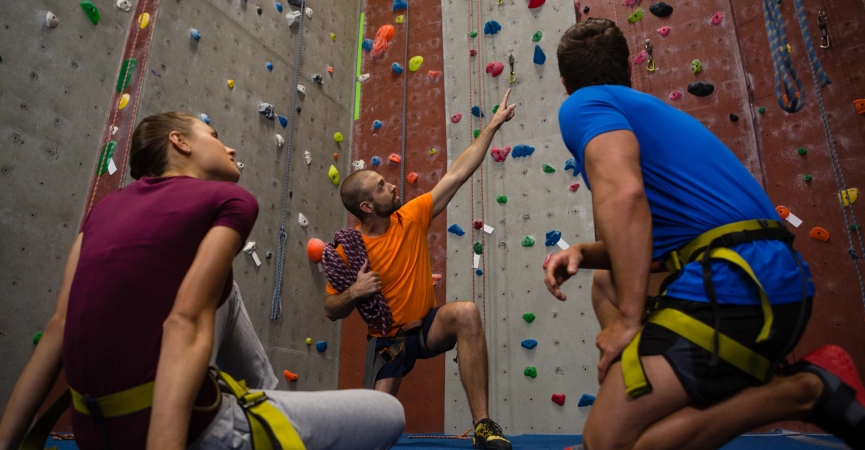
1. Compliant and safe infrastructure
The first pillar of a secure room is, of course, its facilities .
Ensure that all your walls, blocks, and climbing walls comply with current standards (such as EN 12572). This guarantees their strength, durability, and reduces the risk of breakage or structural damage.
But security does not stop at the walls: reception areas must also be subject to rigorous attention.
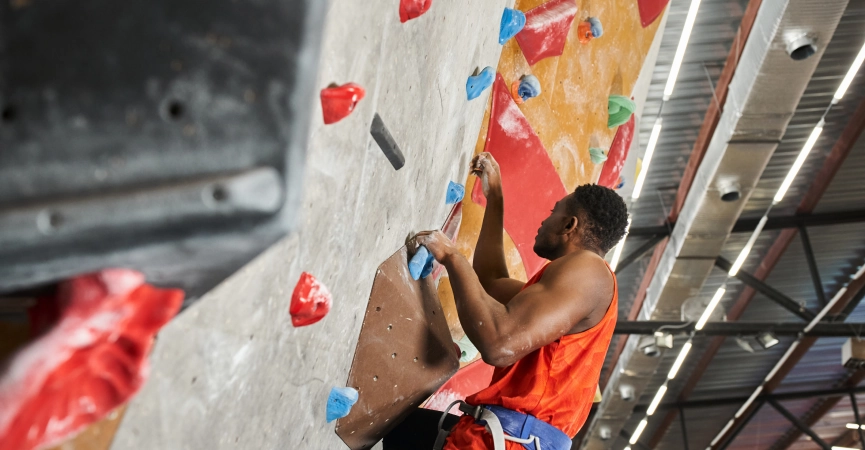
For bouldering gyms, a shock-absorbing floor with thick, well-maintained mats is essential to minimize injuries in case of a fall.
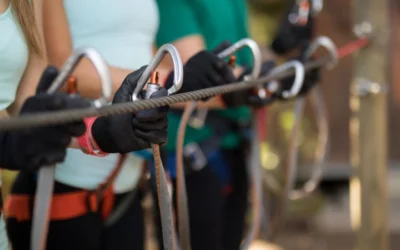
For rope climbing gyms, self-belay devices are valuable assets, provided that users are properly trained… and that it is checked that they attach themselves correctly !
2. Regular and rigorous maintenance
Even the best equipment isn't eternal. Wear and tear, dust, and repeated impacts can compromise the safety of your structures. Regular inspections are therefore essential.
- Walls, sockets and volumes : inspect them frequently for cracks, rounding or faulty fixings.
- Electrical installations and lighting: optimal visibility is crucial to prevent trajectory errors or collisions.
- Self-insurers: make sure they are serviced according to the manufacturer's recommendations.
At Storkeo preventive and corrective maintenance services
👉 Discover our range here: TruBlue IQ Self-Insurance – Storkeo
👉 And our maintenance solutions: Storkeo Maintenance
3. Clear and visible signage
A good information sign can prevent many accidents. Too often neglected, signage is nevertheless an effective prevention tool.
Install clear reminders of safety rules in strategic locations: at the entrance, in the changing rooms, near the climbing areas, and close to the belay devices. Opt for simple, legible visuals, and multilingual if necessary.
Also consider pictograms and color codes to distinguish levels of difficulty or to indicate risk areas.
4. A trained and vigilant team
Even with the best equipment, human error remains the leading cause of accidents . Therefore, the presence of trained and attentive staff is essential.
Your supervisors must be able to:
- to identify risky behaviors (poor belaying, absence of a harness, tying errors),
- to intervene quickly in case of a problem,
- to train new practitioners in good practices from their first visit.
Provide regular training for your staff, put in place clear procedures in case of an incident, and encourage collective vigilance: a watchful eye can sometimes save a life!
5. Ongoing awareness-raising among climbers
Creating a safety culture also involves education . Posters, videos, interactive quizzes, introductory sessions: use a variety of formats to raise awareness among your participants .
Remember that every climber is responsible for their own safety and the safety of others. Encourage them to report any problems, check their equipment , and follow the rules without exception!
Discover the other articles
from April


I wish to be contacted again
Would you like to be put in touch with a leisure advisor?
Don't wait any longer to complete the form.